
Pack it out
No Mylar Left Behind
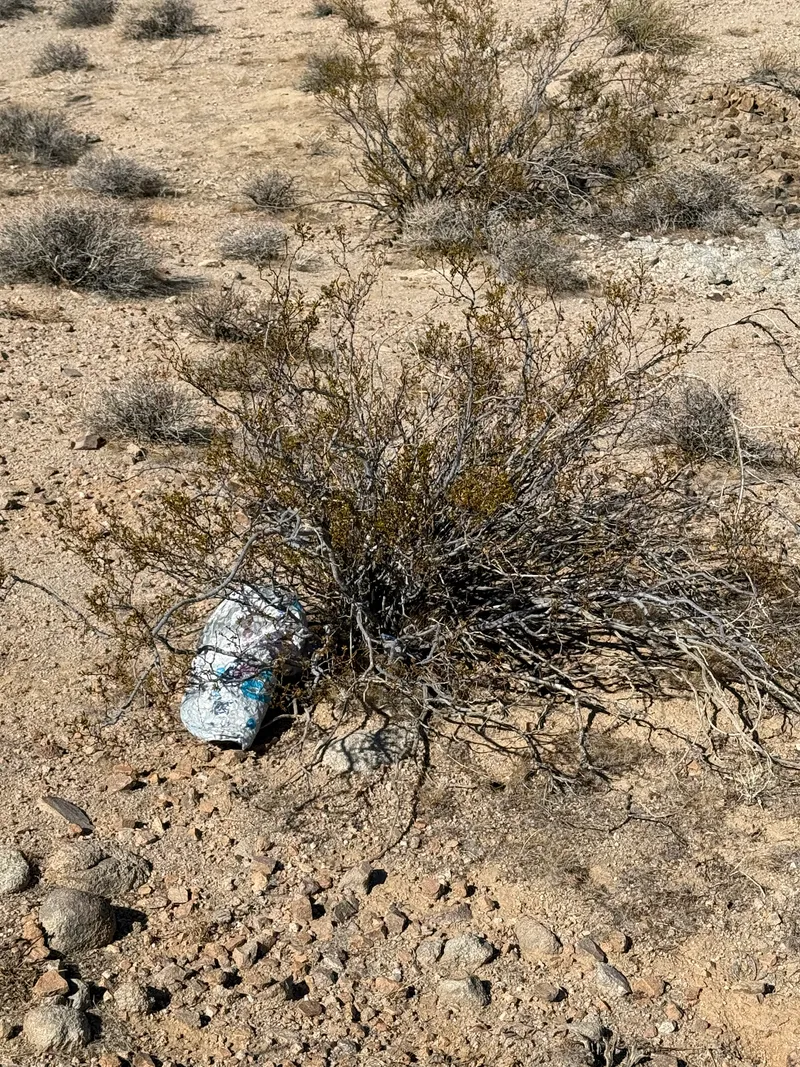
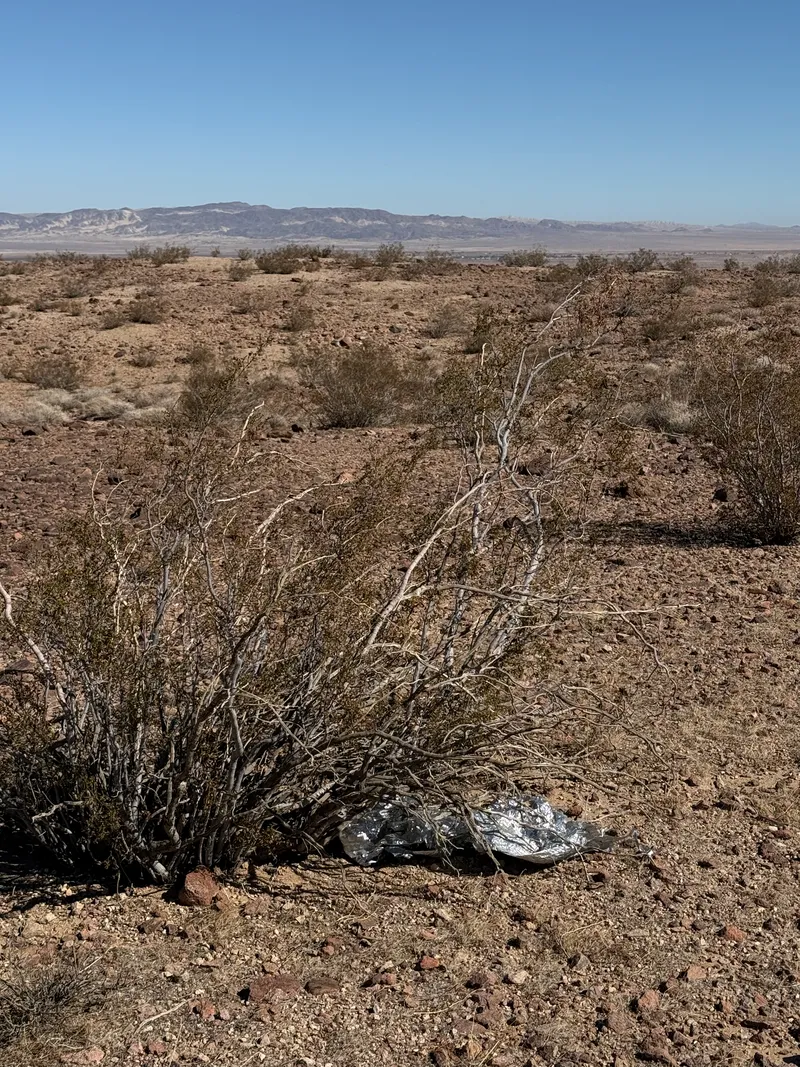
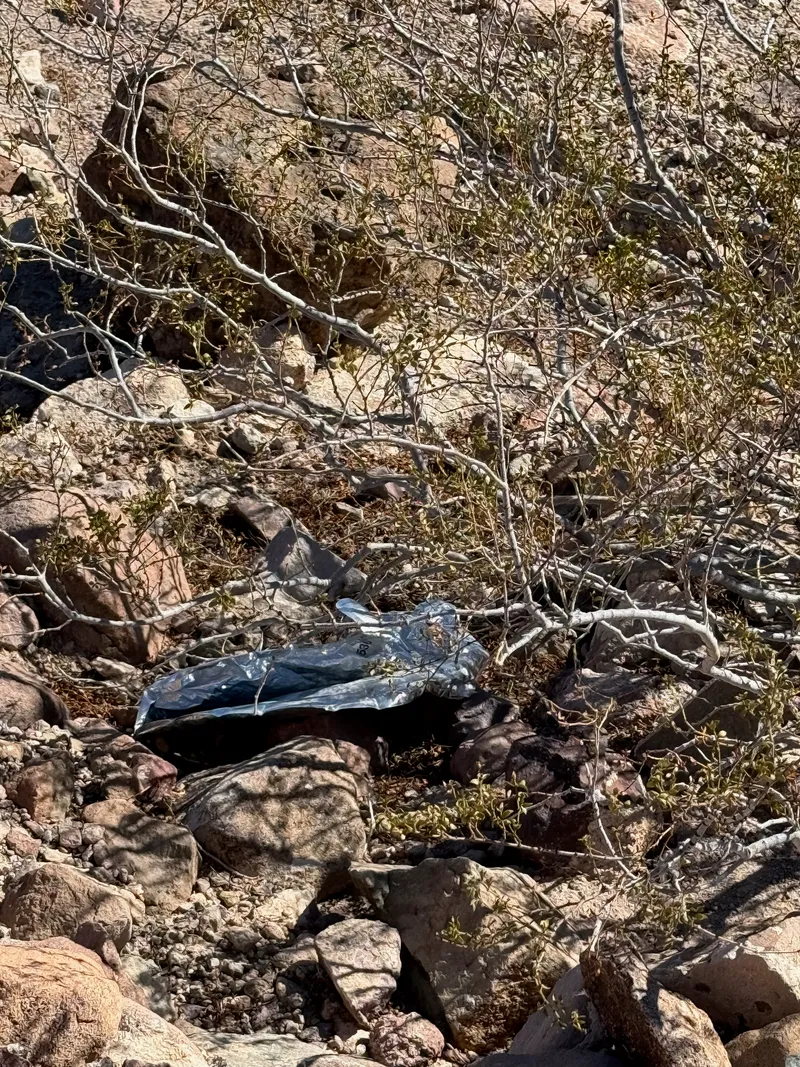
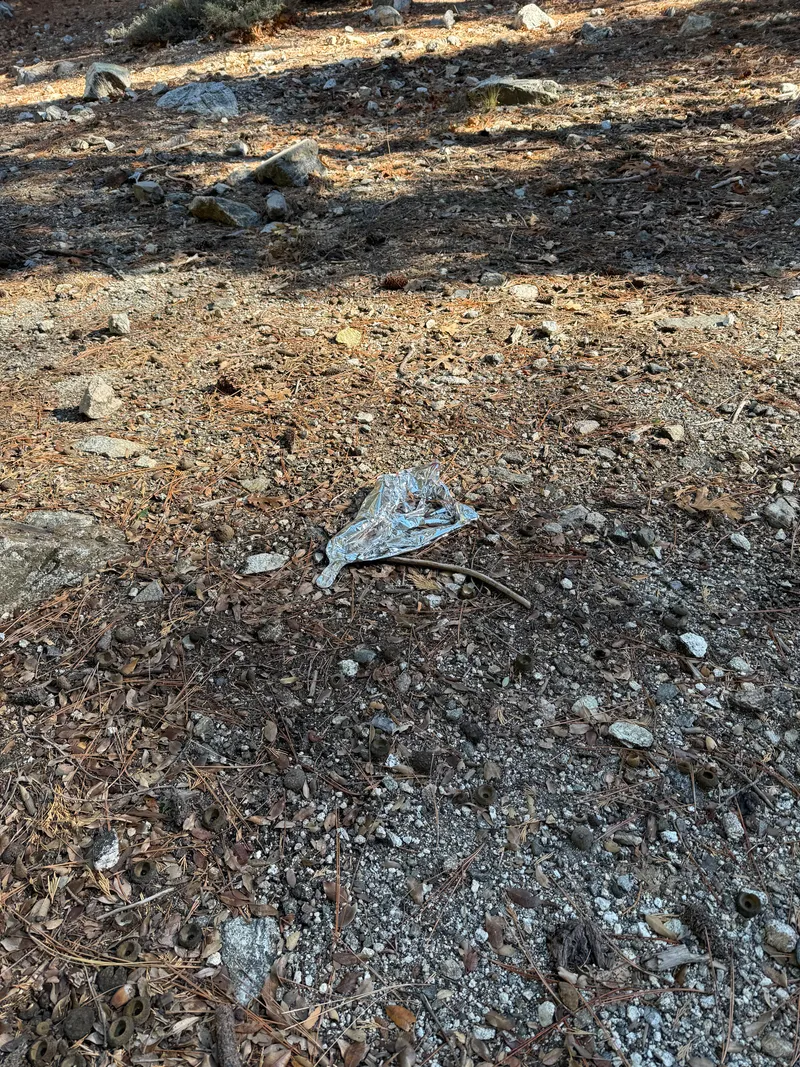
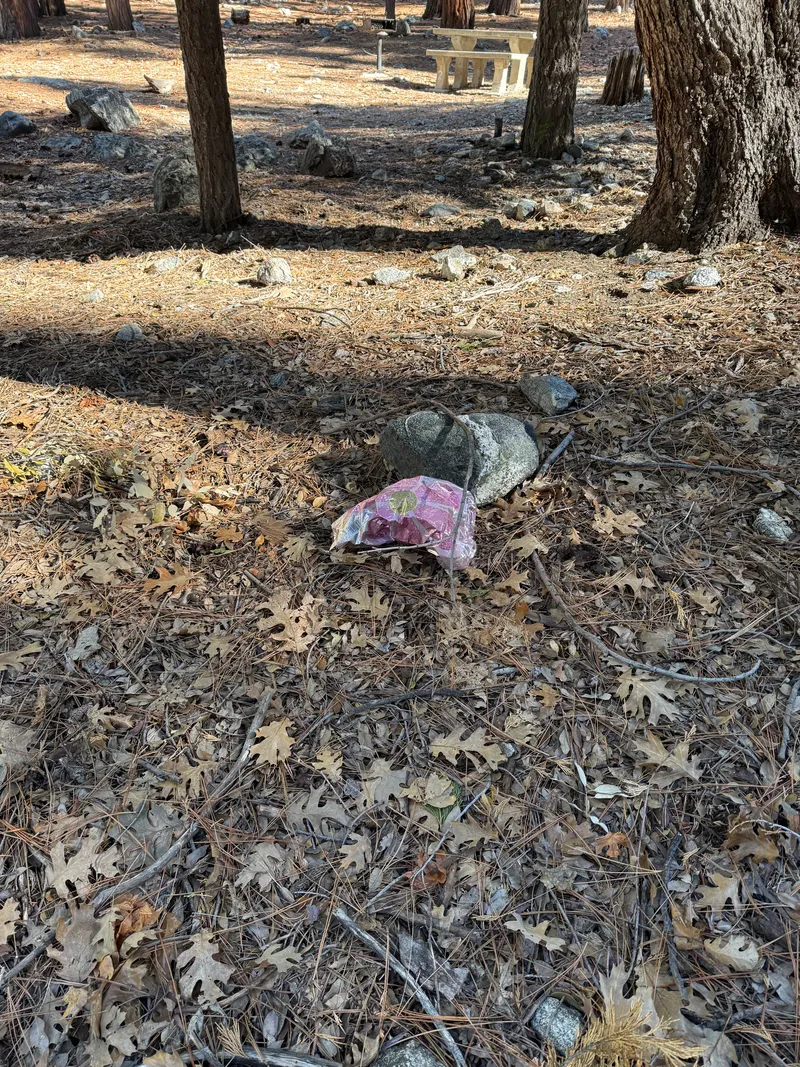
Found a foil balloon out in nature? Stop, take a photo, and pack it out. Every find goes on the map and into the running total.
2 oz packed out so far
Why it matters
Why mylar is harmful
They never break down
Foil balloons, often called mylar, are sheets of plastic nylon with a metallic coating. They do not biodegrade, so one that lands in a forest or on a beach stays there until someone removes it.[1]
Wildlife eats them and gets tangled
Animals mistake balloons for food. Eating them can cause internal injury, starvation and death, and the ribbons tied to them entangle wildlife.[2]
They are among the deadliest litter for seabirds
In a study of seabirds that had swallowed debris, a balloon was 32 times more likely to kill a bird than a piece of hard plastic.[3]
They knock out power
The metallic coating conducts electricity, so a balloon that drifts into a power line can short it out. In 2024, metallic balloons caused 515 outages for Southern California Edison, affecting 765,213 customers.[4]
They travel a long way
Helium balloons can travel hundreds or even thousands of miles. Balloons from one fundraising release were found more than 125 miles away.[1][5]
What we do
When we find a foil balloon in nature, we stop, photograph it, and pack it out for proper disposal. Every find goes on the map below.
Sources
- The Conversation (University of Michigan researchers), Balloon releases have deadly consequences – we're helping citizen scientists map them
- NOAA Marine Debris Program, What Goes Up, Must Come Down!
- Scientific Reports (Roman et al., 2019), A quantitative analysis linking seabird mortality and marine debris ingestion
- Southern California Edison, Practice Metallic Balloon Safety Year-Round (May 2025)
- Missouri Science & Technology Policy Initiative, Balloon Release
Every find, plotted
Map of finds
Running total
2 oz57 g
of foil found so far: 6 balloons from 5 finds.
Weight is an estimate: each balloon counts as a standard 18-inch foil balloon of about 9.5 g, worked out from Anagram’s balloon helium chart.